
SOUND FOR FILM - SPRING 2027
COURSE TITLE: The Studio: Sound for Film
Course Objectives: From boom microphones to wireless lavaliers, field mixers to digital recorders, students will explore the essential tools and techniques used in professional film sound production. The course focuses on capturing clean dialogue, recording environmental sound, and understanding how sound supports storytelling and enhances the cinematic experience. Students will gain hands-on experience working with industry-standard audio equipment in both studio and on-location environments.
Course Learning Outcomes:
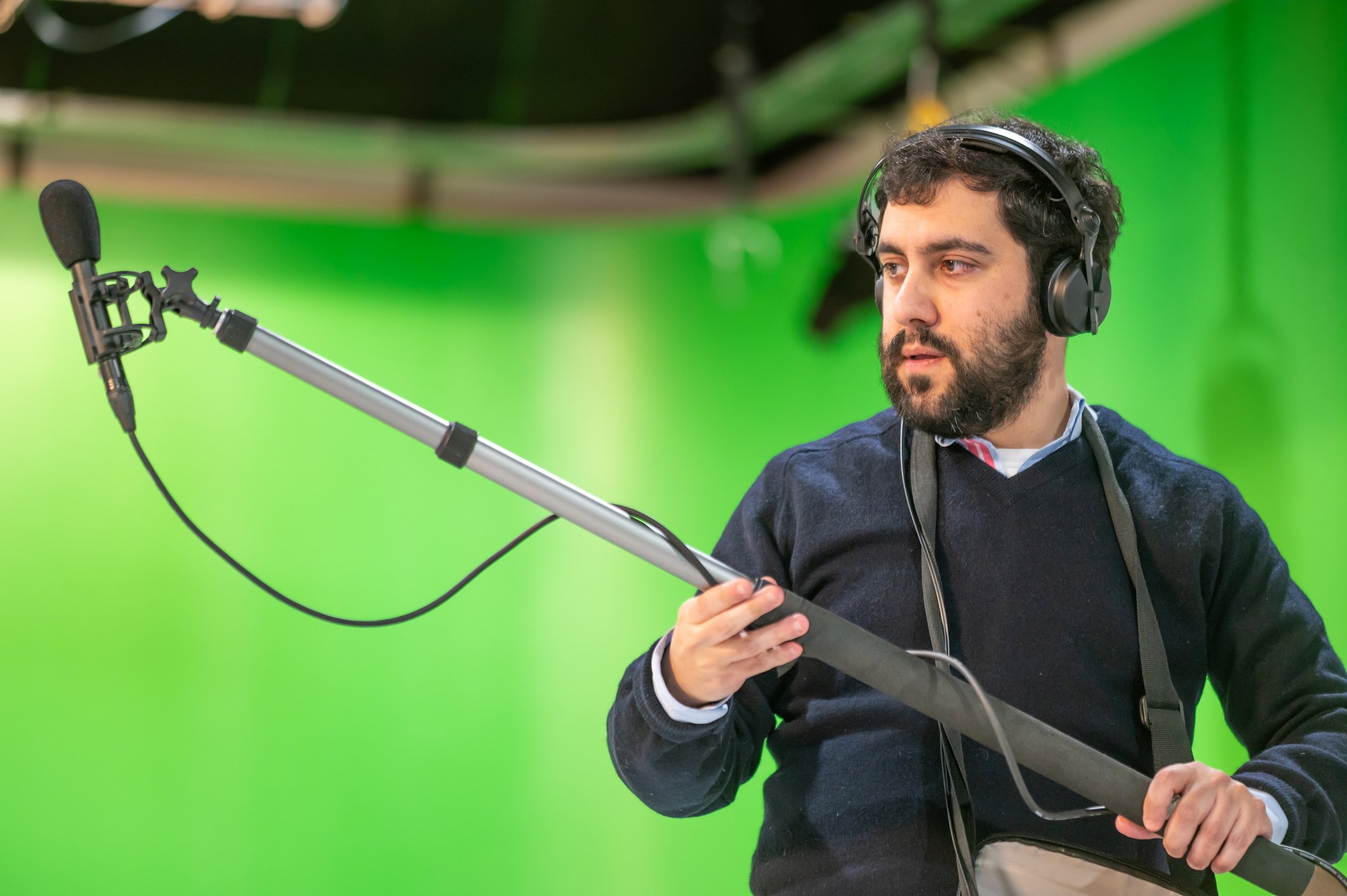
Students will develop an understanding of the mechanics and operation of traditional and digital sound recording equipment, while learning to select the appropriate microphones and recording setups for a variety of production scenarios. The course will cover sound mixing fundamentals, microphone placement, monitoring audio quality, and managing on-set sound workflows as they relate to the roles within the Production Sound Department, including the Production Sound Mixer and Boom Operator.
The Sound for Film course provides students with a foundational understanding of the critical role audio plays in cinematic storytelling. Through a combination of hands-on practice and guided discussion, students will learn the fundamentals of production sound recording, including proper signal flow, levels, and on-set workflow. Emphasis will be placed on working with a variety of microphones—such as boom, lavalier, and handheld—while understanding their unique characteristics and appropriate applications. The course will also introduce professional etiquette and problem-solving techniques essential to working in fast-paced production environments.
Students will explore best practices for capturing high-quality sound on location, including microphone placement, managing environmental challenges, and collaborating effectively with directors and the camera team.
In addition, students will gain exposure to sound recording within virtual production settings, examining how these controlled environments differ from traditional on-location shoots. Discussions will highlight both the opportunities and challenges presented by these emerging workflows.
The course will also engage students in conversations about the evolving role of technology in the audio field, including how advances in AI can support the work of sound professionals—enhancing efficiency, organization, and creativity while reinforcing the importance of human skill, decision-making, and collaboration.